Wall and Drywall Mold Removal in Gashland, MO
Damaged drywall is removed and wall cavities are cleaned and dried in your Gashland property. Call 24/7 to arrange your assessment and cleanup.
- Wall moisture checked first
- Contained removal and HEPA filtration
- Cavities dried before repair
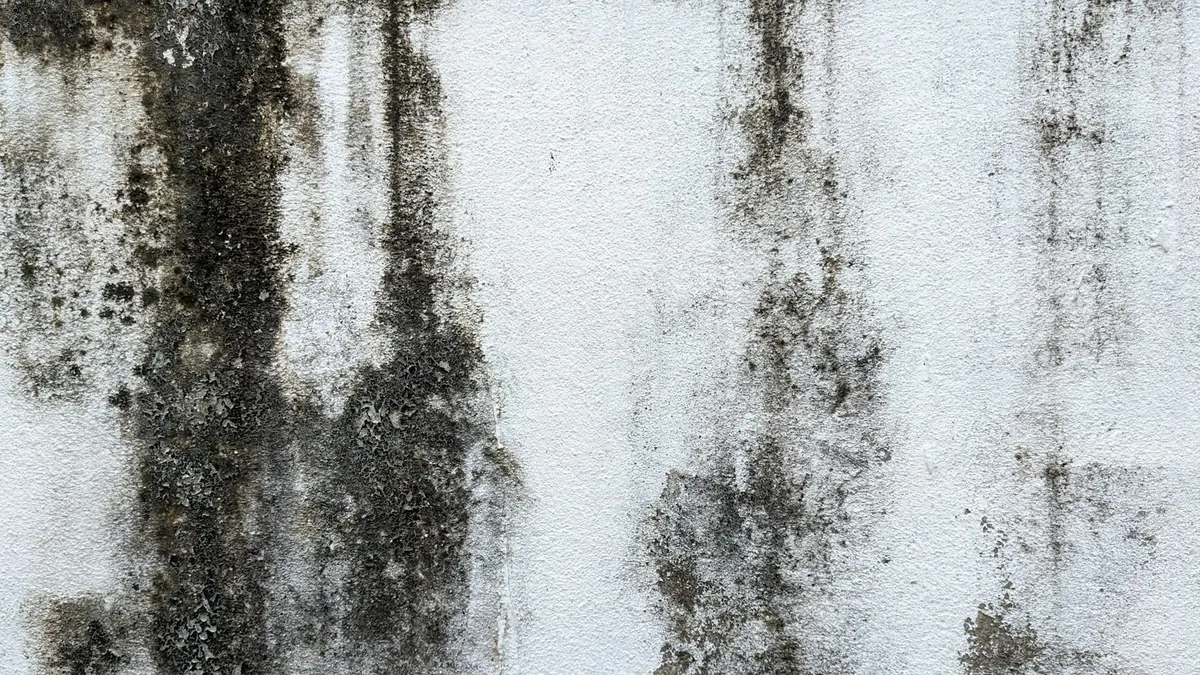
Explore Wall and Drywall Mold Removal Services in Gashland
Your cleanup covers drywall, wallpaper, baseboards and the wall cavity. Damaged board and wall insulation are removed; sound wall studs are cleaned and dried.
Cleaning or removal depends on the state of your drywall, which is porous when paper-faced. Plans for reaching behind cabinets and tile are set before work starts.
Mold removal from walls starts with tracing a plumbing leak, window leak or condensation on an exterior wall. Your written scope of work separates cleanup from leak repair, drywall replacement and painting after remediation.
- Wall surface and cavity assessment
- Controlled removal of damaged sheetrock
- Affected wallpaper and insulation removal
- Sound framing cleaned and dried
- Moisture checks before wall repair
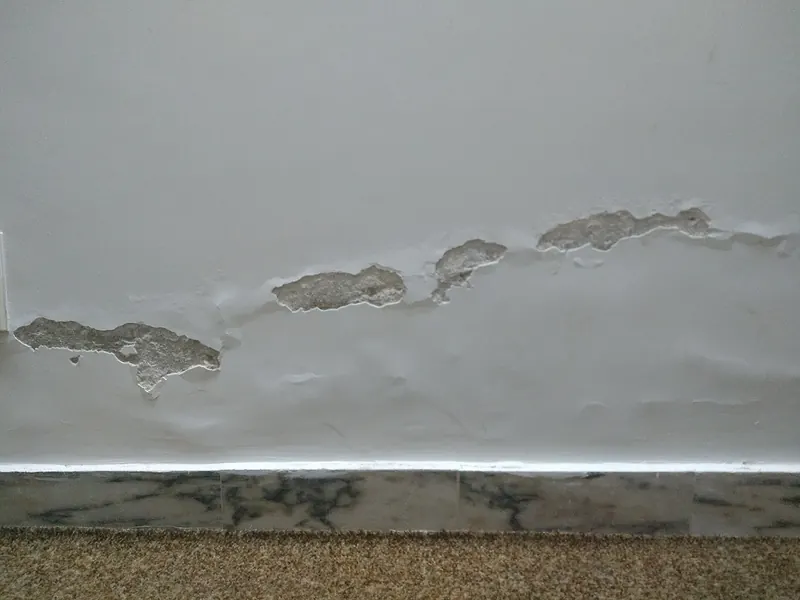
Recognizing the Need for Wall Mold Cleanup in Clay County
Your wall needs assessment when finishes are damp, drywall softens or mold returns.
Mold Behind Wallpaper
Peeling back paper exposes patches underneath on either the wall or the backing.
Soft Drywall and Peeling Paint
A leak leaves lasting signs such as swelling, bubbling paint or water stains.
Musty Smell Near a Wall
A smell that persists beside cabinets can coincide with dampness in hidden materials.
Mold on Walls Keeps Returning
You may see spots again by baseboards, plumbing fixtures or windows despite cleaning or painting.
Dampness Along Several Walls
Repeated staining across rooms can mark moisture beyond one visible patch.
The Process for Wall and Drywall Mold Removal
After assessment, your wall cleanup proceeds through removal within containment, then cleaning, drying and verification.
Assess the Wall and Cavity
Your visible mold and finish damage undergo assessment. Dampness is mapped with a moisture meter, while a thermal imaging camera shows temperature differences without identifying mold.
Set the Scope by Tracing Wall Moisture
Checks look for condensation, leaks and hidden moisture. Separate repairs for moisture and the extent of removal are outlined before starting work.
Contain the Wall Work Area
Poly sheeting is used to create a containment barrier. Particle spread is limited with a HEPA air scrubber, protective equipment and negative air pressure.
Remove Damaged Drywall
Within containment, removal covers damaged board together with wallpaper and insulation. Bagged debris leaves along a protected route; exposed cavities are assessed.
Clean Exposed Wall Surfaces
HEPA vacuum cleaning and surface cleaning are used on suitable non-porous surfaces and sound framing. Physical cleaning remains necessary despite antimicrobial treatment.
Dry the Wall Cavity
Once cleaning ends, air movers help with drying together with a dehumidifier. Repairs address condensation or leaks as moisture readings show how drying progresses.
Complete the Post-Remediation Check
Your wall stays open until cleanup, drying and moisture corrections have been checked. When your scope calls for clearance testing, an independent assessor carries out the tests.
Remove Containment After Verification
Agreed post-remediation verification takes place before dismantling containment. Repairs involving insulation, finishes and drywall follow the scope for separate rebuilding.
Why Choose Kansas City Mold Removal Services for Wall and Drywall Mold Removal
Wall Moisture First
Your assessment traces leaks and condensation before damaged board is replaced.
Calls Answered 24/7
Across Greater Kansas City, you can start wall cleanup through one number, even on nights and weekends.
Clear Wall Removal Scope
Your scope clarifies cavity access, wall sections and distinct rebuilding work ahead of removal.
Contained Work With HEPA Filtration
Your wall work area uses containment together with HEPA filtration to reduce particle spread.
Cleanup Through Final Checks
Work removes damaged board and cleans and dries framing, with verification completed ahead of containment removal.
Before Wall Cleanup Begins in Clay County
Keep your damaged walls intact. Call to have them assessed.
- Address active water. Arrange leak repair when safe; keep away from wet wiring and outlets.
- Leave the wall intact. Wait for assessment before you remove wallpaper, scrape growth or sand drywall.
- Limit access. Keep children and pets away from damaged materials and the work area.
- Avoid spreading particles. Keep fans from blowing toward moldy walls; EPA advises leaving HVAC equipment off if contamination is suspected.
- Keep damage uncovered. Do not paint over mold or cover damp board with new finishes.
Your Wall and Drywall Mold Removal Cost in Gashland
Access, cavity damage and affected square footage determine your cost. The national figures list drywall repair separately from removal. Do not total removal ranges that overlap.
Full drywall mold removal may cost $20,000 or more
$1,000 to $20,000 per jobSource: This Old House, Mold Remediation Cost (cost data credited to Angi) (checked 2026-10-23)Drywall repair or replacement after removal
$1,000 to $2,900 per jobSource: Servpro, Mold Remediation Cost (checked 2026-10-23)What Influences Your Wall Cleanup Cost
- Containment and air filtration
- Affected wall square footage
- Separate testing and moisture repairs
- Insulation and framing condition
- Access behind cabinets
The Price of Your Wall Cleanup
These published national ranges are planning figures. Your on-site assessment defines the work and price before cleanup starts, including any separate source repairs or rebuilding.
Call (844) 352-3560 about costWall and Drywall Mold Removal Service Area Across Greater Kansas City
Call (844) 352-3560 to arrange cleanup in Gashland or nearby communities. One number covers the metro.
Wall and Drywall Mold Removal in Locations Near Gashland
ZIP codes
Frequently Asked Questions About Wall and Drywall Mold Removal in Gashland
Do you need testing before or after removing the wall?
Under EPA guidance, visible mold frequently needs no air sampling. Moisture checks and inspection determine affected materials and the area requiring removal. Checks of drying and cleaning happen ahead of taking containment down. If specified, an independent assessor carries out clearance testing. Indoor mold levels have no federally set limit.
After cleanup, is mold in walls likely to return?
Mold can return if the water problem remains. Before cleanup, your assessment tracks condensation, leaks and damp materials inside the cavity. Cleaning and drying sound framing precede installation of the new board. With moisture repairs and sustained humidity control, you help prevent the conditions in which growth first developed.
Is removing every part of the wall necessary?
You do not automatically need a full wall replacement; removal depends on damage identified in the assessment. Insulation beyond saving and mold-affected paper-faced board may have to come out. Studs that remain sound often allow cleaning and drying. If opening the cavity reveals more damage, the scope is adjusted before additional removal proceeds.
What is your drywall cleanup cost in Clay County?
Pricing for your work varies with affected square footage, damage inside cavities and accessibility behind finishes. The cost cards above show published national ranges with their sources and units. Repairing drywall and removing materials are distinct categories. An assessment on-site sets out the work and your price before cleaning begins.
Will the moisture issue be corrected as part of wall cleanup?
Assessment identifies the moisture source and sets out required corrections alongside removal and drying. Plumbing repairs, window repairs and ventilation changes are included only when listed in your scope. Separate repair work is identified before starting so your cleaned cavity is not closed around an unresolved water problem.
During wall cleanup, will you be able to stay home?
You may be able to stay when occupied rooms remain separate from containment and the debris route. Access limits depend on your household needs, affected bedrooms, shared ventilation and layout. Some jobs require temporary arrangements elsewhere. Before opening walls, removing materials or cleaning, these conditions undergo assessment.
How long does wall cleanup take in Gashland?
Scheduling happens once your affected board, access route and cavity have been assessed. Opening walls behind cabinets requires different work than taking out a small section. Moisture readings guide drying, regardless of how surfaces look. Finishing drywall, repairing leaks and completing verification also influence when normal use of your room can resume.
Understanding Wall Mold Cleanup Insurance in Missouri
Your homeowners policy's deductible, exclusions and mold limits, along with the source of moisture, determine coverage. Decisions for rebuilding can differ from those for cleanup.
Precautions for Your Wall Mold Cleanup in Greater Kansas City
Your containment barrier limits dispersal of spores and wall dust.
Wall Mold Color
CDC cautions that judging mold risk by color is unreliable, even for black mold on drywall.
Concealed Wall Damage
Before you close a cavity with new board, deteriorated framing needs assessment for repairs.
Contaminated Water
Seek professional help for mold involving contaminated water or sewage, as EPA advises.
Sensitive Occupants
Allergy symptoms and asthma symptoms can be triggered in some people by mold. People with weak immune systems, asthma or lung disease are more at risk.
Cleanup scope: Homeowners can often clean areas smaller than about 10 square feet, according to EPA. If HVAC systems, larger areas or contaminated water are involved, get professional help.
Wall Material Cleanup and Removal Across Clay County
Your sound materials get cleaned; porous ones with damage may need to come out.
Drywall and insulation
- Damaged wallpaper is bagged with moldy board and insulation beyond saving, then removed.
Wall studs and plaster
- Framing that remains sound can undergo cleaning and drying; plaster needs assessment separate from its backing.
Trim and hard surfaces
- Accessible tile, metal and glass may be cleaned; trim that has swollen might require replacement.
How Long Wall Cleanup and Repairs Take in Clay County
Your schedule follows access, drying and repair after remediation.
- Wall access: Access to damaged materials depends on cabinets, adjoining rooms and tile.
- Cavity drying: Moisture readings determine when cleaned framing is ready for new board.
- Finishing: Once cleanup and agreed verification end, drywall installation proceeds, followed by joint finishing and painting.
Moisture Control and Wall Odor in Gashland
Moisture checks help investigate your musty wall smells. Neither applying paint nor adding fragrance fixes dampness in wall materials.
EPA recommends indoor relative humidity below 60 percent, ideally 30 to 50 percent. Leak correction and appropriate ventilation help keep repaired walls dry.
Requirements for Your Wall Cleanup in Missouri
State Work Requirements
Missouri does not appear to have a statewide license for mold assessors or remediators, and the state does not set mold exposure standards. Ask any contractor about their mold training and check local contractor rules.
EPA Guidelines for Drying
To prevent mold growth, dry affected items and areas within 24 to 48 hours of water damage.
Wall Repair Permits
Your permit requirements vary with the plumbing, rebuilding or structural work involved.
State Mold Information
The Missouri Department of Health and Senior Services has a mold page for the public, with the Bureau of Environmental Epidemiology listed as the contact.
State guidance: Missouri Attorney General, Landlord Tenant Law
Related Services and Next Steps
Start Your Wall and Drywall Mold Removal in Gashland
Call 24/7 to arrange your assessment. Your cleanup starts with the affected surfaces, moisture source and access to your home.